Blog
Faithful ministry is sustained not by constant activity, but by trusting God enough to step back and let Him carry the work.
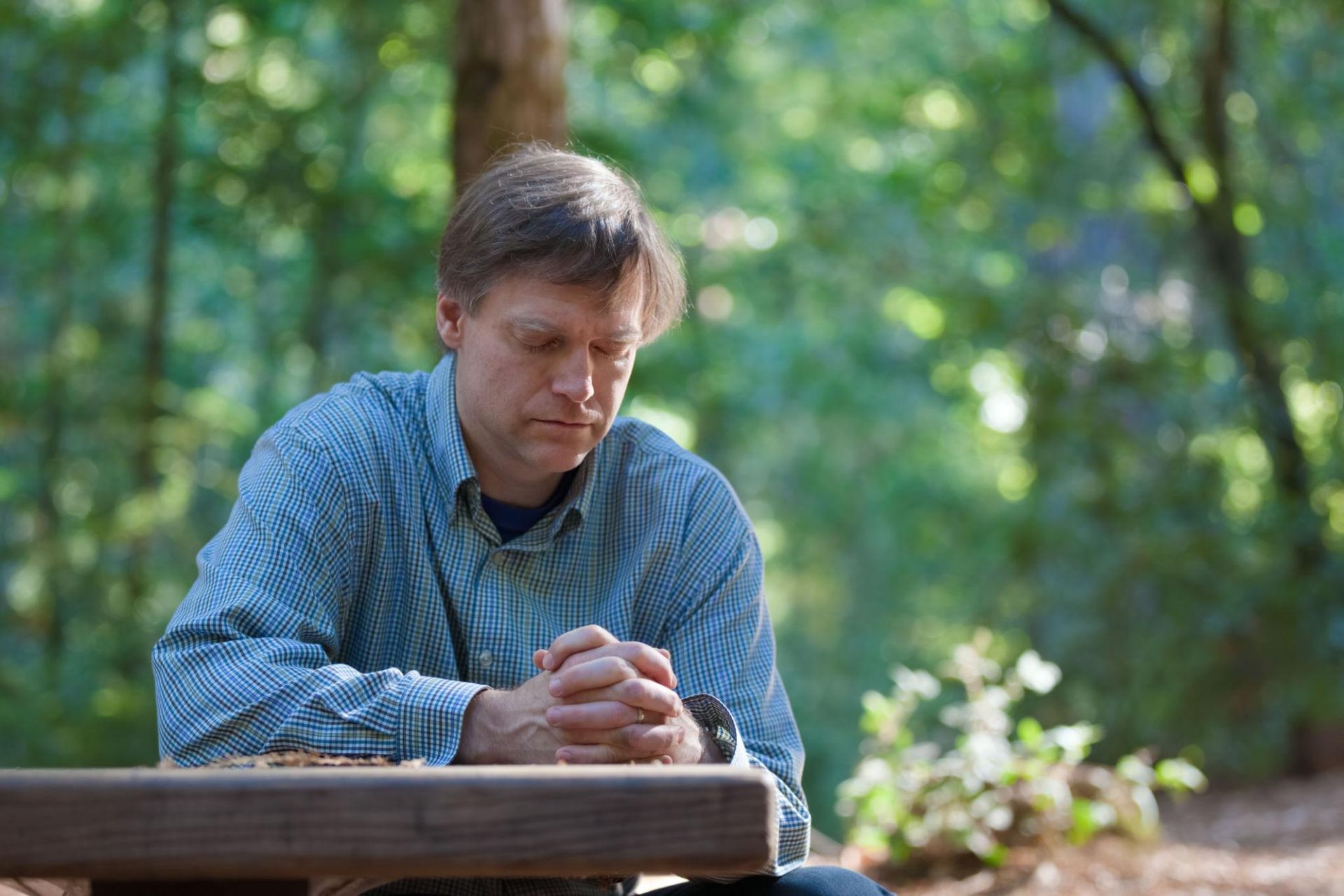
Late one evening, after the final meeting of the day, many pastors experience a moment that few people see.
The building is quiet. The lights in the sanctuary are off. The emails are finally answered. The counseling conversations are finished for the day.
For a brief moment, there is silence.
And in that silence, a difficult question sometimes surfaces.
Should I slow down?
For many ministry leaders, that question feels uncomfortable. The work of shepherding people rarely pauses. Needs appear daily. Decisions must be made. Sermons must be prepared. The spiritual life of a church or ministry often feels closely connected to the leadership provided each week.
So leaders continue moving forward.
Week after week.
But over time the pace of ministry can quietly become relentless.
The work rarely stops.
The needs rarely pause.
The responsibility rarely lifts.
And eventually many faithful leaders begin wondering whether it is even appropriate to step back.
Is it actually faithful to pause?
That question matters more than many leaders realize.
Because this past Easter has reminded us that surrender is central to the life of Christ.
And sometimes surrender involves trusting God enough to release control.
For pastors and ministry leaders, that may involve something many find difficult to consider.
Rest.
Or even a sabbatical.
Christian Leadership Was Never Meant to Run Without Rhythm
In modern ministry culture, constant activity can easily become the measurement of faithfulness.
Leaders preach weekly.
New programs launch.
Ministry initiatives expand.
Vision continues pushing forward.
None of these things are wrong.
But Scripture never teaches that constant activity is the foundation of faithful leadership.
Instead, the Bible reveals a pattern of work and rest woven together throughout God’s design.
Psalm 127:1 reminds us:
“Unless the Lord builds the house, those who build it labor in vain.”
The verse does not discourage effort.
It reminds us that God is the true builder.
Pastors and ministry leaders participate in the work, but they do not ultimately sustain it.
When leaders forget this, the pace of ministry quietly shifts.
Instead of trusting God to sustain the work, leaders begin trying to carry the momentum themselves.
And eventually the pace becomes unsustainable.
Research Confirms What Scripture Has Always Taught
Recent research has begun documenting what many ministry leaders already know through experience.
The Flourishing in Ministry Study, conducted by the University of Notre Dame and Harvard’s Human Flourishing Program, surveyed thousands of pastors across the United States to examine their wellbeing and sustainability in ministry.
The findings were revealing.
Pastors who reported the highest levels of long term flourishing were not those who worked the most hours or maintained the most relentless pace.
Instead, they consistently shared several common practices.
- They maintained regular spiritual rhythms.
- They practiced intentional rest.
- They had structures that allowed periodic renewal.
By contrast, pastors who lacked these rhythms reported significantly higher emotional exhaustion and lower overall wellbeing.
In other words, sustainable ministry leadership was closely tied to rhythm, not constant activity.
This should not surprise us.
It reflects the design God has always given His people.
Jesus Modeled the Rhythm Leaders Need
One of the most overlooked aspects of Jesus’ ministry is how intentionally He stepped away from activity.
Crowds constantly followed Him.
People needed healing.
Disciples needed teaching.
Communities needed transformation.
Yet Jesus regularly withdrew from the demands of ministry.
Luke 5:16 tells us:
“Jesus often withdrew to lonely places and prayed.”
That single word matters.
Often.
Withdrawal was not rare in the life of Christ. It was part of His rhythm.
Jesus was not avoiding responsibility.
He was aligning His life with the Father.
Even the Son of God did not allow endless ministry demands to dictate every moment of His life.
He created space for prayer, silence, and renewal.
That pattern matters for pastors and ministry leaders today.
Because without rhythms of withdrawal, leaders eventually begin carrying more than their souls can sustain.
Burnout Often Begins When Rhythm Disappears
Burnout in ministry rarely arrives suddenly.
More often it develops slowly.
The pace increases.
Responsibilities multiply.
Margins disappear.
Leaders continue serving faithfully, but reflection and renewal slowly fade from the rhythm of life.
Several warning signs often appear during this shift.
Ministry activity fills every available space.
Prayer becomes harder to protect.
Rest feels irresponsible.
And the weight of leadership begins to feel constant.
This is not necessarily a sign of spiritual failure.
More often it is a sign that the rhythm of leadership has drifted away from God’s design.
The invitation of Scripture is not to abandon the calling.
It is to restore the rhythm.

Sabbaticals Are a Practice of Trust
For many pastors, the idea of a sabbatical feels uncomfortable.
Questions quickly surface.
What will happen to the church while I am gone?
Will the ministry lose momentum?
Will people feel abandoned?
But throughout Christian history, seasons of extended rest have been recognized as wise stewardship for long term leadership.
Many denominations now encourage year-long, sabbaticals after several years of ministry because they recognize the emotional, spiritual, and relational weight leaders carry over time. Others offer once a year sabbaticals of up to a month of rest.
A sabbatical allows leaders to step back from constant responsibility in order to rest, pray, reflect, and seek renewed clarity from God.
It is not withdrawal from calling.
It is stewardship of the soul.
Just as the land in ancient Israel was given seasons of rest, leaders also need seasons when they are not constantly carrying the full weight of leadership.
And something remarkable often happens when leaders pause.
Perspective returns.
Spiritual attentiveness deepens.
And leaders remember something easy to forget in the middle of constant responsibility.
The ministry belongs to Christ.
The Cross Teaches Leaders to Release Control
Even after Easter, we’re reminded that surrender is at the center of the Christian life.
Jesus said in Luke 9:23:
“Whoever wants to be my disciple must deny themselves and take up their cross daily and follow me.”
For pastors and ministry leaders, this surrender sometimes includes letting go of the belief that everything depends on their constant presence.
The cross teaches us to trust God with what we cannot control.
And for many leaders, one of the most difficult acts of trust is stepping away from the work, even briefly.
Yet when leaders release control, they often discover something surprising.
The church continues.
The ministry continues.
God continues working.
And leaders return to their calling with renewed clarity and strength.
Rest Protects Long Obedience
The goal of Christian leadership is not short bursts of productivity.
The goal is long term obedience.
Pastors, missionaries, and ministry leaders are called to serve faithfully over many years.
That kind of endurance requires rhythms that protect the health of the soul.
Without rest, leaders may continue serving outwardly while slowly losing inward strength.
But when rhythms of rest are embraced, leadership becomes sustainable.
These rhythms may include:
- regular times of quiet prayer and reflection
- intentional seasons of retreat
- healthy weekly Sabbath rest
- periodic sabbaticals for deeper renewal
None of these are signs of weakness.
They are acts of stewardship.
They acknowledge a simple truth.
Leaders are servants of the work.
They are not the source of its life.
Trusting God With the Work
This past Easter reminds us that God accomplishes His work through surrender.
Christ entrusted Himself fully to the Father, even when the path led to the cross.
For pastors, missionaries, church leaders, and ministry leaders today, that same trust remains essential.
Sometimes obedience means continuing faithfully in the work.
And sometimes obedience means pausing.
It means trusting God enough to release control for a season.
For some leaders, that may mean restoring daily rhythms of rest.
For others, it may mean stepping away briefly for retreat and reflection.
For still others, it may mean embracing a sabbatical as an act of trust and stewardship.
None of these diminish leadership.
They strengthen it.
Because faithful ministry is sustained not by constant activity, but by trust in the One who builds His church.
Prayer
Lord Jesus,
You are the faithful Shepherd of your church.
Teach pastors, missionaries, church leaders, and ministry leaders to trust you with the work you have entrusted to them.
Give leaders wisdom to recognize when it is time to pause and rest. Help us release the belief that everything depends on our constant effort.
Restore healthy rhythms of prayer, reflection, and renewal in the lives of those who serve your people.
Where leaders are weary, bring refreshment.
Where the pace of ministry has become overwhelming, bring clarity and peace.
And help us lead with faithful obedience, trusting that you are always at work in your church.
Amen.